

How Sponsorships Drive the Modern Esports Economy
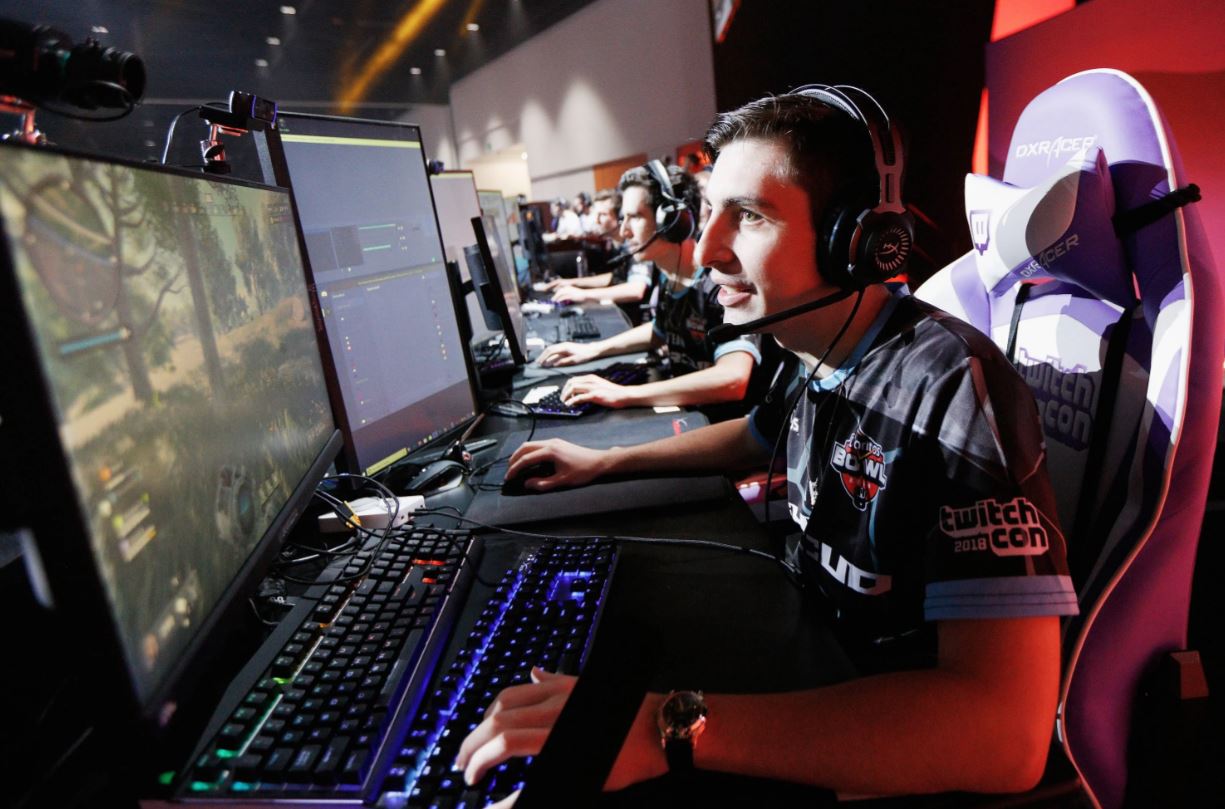
The Global Brands, Strategic Investments, and Player Influence Are Redefining the Financial Backbone of Competitive Gaming
The Evolution of Esports as a Marketplace
Not long ago, esports existed on the fringes of mainstream entertainment, fueled by passion, community, and the thrill of competition. Players competed for modest prizes, organizers relied on volunteer support, and fans gathered in small online forums to celebrate their favorite teams. Today, that grassroots culture has evolved into a multibillion-dollar industry, driven in large part by sponsorships. The entry of global brands transformed esports from a hobby into a sophisticated commercial enterprise, reshaping how games are played, broadcasted, and celebrated. Sponsorships became the currency of growth, turning digital arenas into thriving ecosystems of investment and opportunity.
Unlike traditional sports, esports presented sponsors with a new kind of audience, one that was young, tech-savvy, and globally connected. These were not passive consumers but active participants who engaged with content across platforms. Brands quickly recognized that esports offered more than exposure. It offered immersion. By investing in teams, events, and streaming channels, companies could build authentic connections with audiences that traditional advertising struggled to reach. Sponsorships became more than financial support. They became partnerships that shaped the culture, aesthetics, and direction of competitive gaming itself.
Why Brands Are Betting Big on Esports
Every successful sponsorship begins with alignment. Brands do not simply insert themselves into esports for visibility. They do so because the industry mirrors their own aspirations: innovation, competition, and community. The demographic that fuels esports, millions of players aged between 16 and 35, represents one of the most valuable markets in modern business. These are digital natives who interact with brands through experience rather than static marketing. They value authenticity, storytelling, and shared values. For companies, that makes esports not just a marketing channel but a cultural gateway.
From energy drink giants to technology manufacturers and even luxury fashion brands, sponsors have found creative ways to embed themselves in the esports landscape. Hardware companies showcase their latest innovations through gaming gear partnerships. Beverage brands align themselves with endurance and excitement. Financial services firms sponsor tournaments to reach new generations of consumers. Each partnership serves a dual purpose: to elevate brand identity while strengthening the infrastructure of esports. The relationship is symbiotic. Brands gain loyal, engaged audiences, while teams and organizations gain the resources to compete and innovate.
The Anatomy of a Sponsorship Deal
Behind every logo displayed on a jersey or tournament stage lies a complex negotiation of value, visibility, and influence. Esports sponsorships are meticulously designed to benefit both the brand and the organization. At their core, these deals provide financial support, but their impact extends far beyond simple funding. They include content collaborations, digital campaigns, live integrations, and long-term brand storytelling. The goal is not just to be seen but to be remembered as part of the player experience.
Teams and event organizers evaluate potential sponsors carefully. A misaligned brand can alienate fans, while a well-matched partner can elevate an organization’s image. Metrics like viewer engagement, social reach, and audience demographics determine a sponsor’s potential return on investment. Contracts often include exclusive rights, ensuring that certain products or industries dominate a team’s visual identity. The result is a partnership that functions as both business and art. Every logo, every color scheme, and every event activation tells a story of collaboration, ambition, and mutual growth.
The Rise of Non-Endemic Sponsors
In the early days of esports, most sponsors were endemic to gaming. They were companies that sold hardware, peripherals, or software directly related to the gaming experience. But as the industry’s audience expanded, non-endemic brands began to take notice. Today, banks, automobile companies, clothing labels, and insurance firms are all part of the esports ecosystem. These sponsors bring fresh perspectives and new opportunities, bridging the gap between gaming and the broader world of commerce.
Non-endemic brands view esports as a fertile ground for experimentation. It allows them to reach audiences that traditional sports or advertising channels struggle to engage. Automobile manufacturers, for instance, sponsor virtual racing tournaments to connect with future drivers. Fashion brands collaborate with esports organizations to launch limited-edition apparel. Even food delivery services have found success by sponsoring live events and integrating promotions into broadcast streams. These partnerships not only boost revenue but also help normalize esports as a mainstream cultural force. When a global bank sponsors a tournament or a fashion label designs a team uniform, it signals to the world that gaming has arrived as a legitimate, respected industry.
How Sponsorships Shape Player and Team Identity
For professional players and teams, sponsorships are both opportunity and responsibility. A well-chosen sponsor can elevate a team’s brand, increase exposure, and provide financial stability. However, it also influences how players present themselves, how they interact with fans, and how they manage their image. The presence of a major brand adds professionalism and structure to an environment that once thrived on spontaneity. Players become ambassadors, not just for their team but for the companies that support them.
This evolution has given rise to an entire subfield within esports management focused on brand alignment and public relations. Teams now employ marketing directors, legal advisors, and media strategists to ensure sponsorships are handled with care. This level of professionalism strengthens the credibility of esports as a career path. It also redefines what it means to be a player. Skill alone is no longer enough. Today’s professionals must balance performance with presentation, understanding that every social post, interview, and stream contributes to their marketability. Sponsorships, in this way, shape not only the financial landscape of esports but also its human one.
The Role of Streaming and Digital Integration
Twitch, YouTube Gaming, and other streaming platforms have amplified the power of sponsorships. Unlike traditional broadcasts, digital streams offer interactive elements that deepen engagement. Sponsors can integrate into the experience through chat commands, branded overlays, and exclusive content drops. Viewers become active participants in the sponsorship experience, reinforcing brand recognition through interaction rather than exposure. The result is a marketing model built on participation and community rather than interruption.
Influencers and individual streamers have also become major players in the sponsorship economy. Their personal connection with audiences makes them invaluable partners for brands seeking authenticity. Unlike team-based sponsorships, streamer collaborations are often fluid, allowing brands to experiment with tone, message, and style. This flexibility has given rise to micro-sponsorships, where smaller creators work with niche brands to target specific audiences. The democratization of sponsorships ensures that even independent gamers can participate in the economic growth of esports, further expanding the ecosystem’s diversity and resilience.
Challenges and Ethical Considerations
As with any booming industry, the rapid rise of esports sponsorships has brought challenges. Balancing authenticity with commercial interest remains a delicate act. Fans, especially in gaming communities, are sensitive to disingenuous branding. A poorly executed campaign can backfire, leading to backlash and loss of trust. Esports organizations must ensure that sponsorships align with their values and audience expectations. Transparency, ethical marketing, and mutual respect have become essential principles in maintaining credibility.
Another concern lies in the sustainability of the sponsorship model. While big brands bring money and exposure, overreliance on external funding can create volatility. If market trends shift or sponsors withdraw, teams risk financial instability. The solution lies in diversification, creating multiple revenue streams through merchandise, media rights, and direct fan support. By building a balanced economic structure, the esports industry can safeguard itself against market fluctuations and maintain its growth trajectory.
Global Expansion and Cultural Adaptation
Esports sponsorships have also become a global phenomenon. What began in North America and Europe has spread to Asia, the Middle East, and South America, where local and international brands compete for presence in emerging markets. Cultural adaptation plays a vital role in these regions. Sponsors must understand local gaming cultures, languages, and consumer behaviors to succeed. A campaign that resonates in Korea might not have the same effect in Brazil or Saudi Arabia. This cultural sensitivity has led to the rise of region-specific partnerships that blend global brand identity with local authenticity.
Local sponsorships also encourage investment in grassroots initiatives. By supporting amateur tournaments and community events, brands nurture the next generation of players and fans. This investment ensures a sustainable future for esports while strengthening brand loyalty at the community level. The global nature of sponsorships demonstrates that esports is no longer confined to borders. It is a universal language of competition, creativity, and collaboration that brands are eager to speak fluently.
The Future of Partnership and Innovation
The business of esports sponsorships continues to evolve, adapting to the shifting landscape of technology and culture. As virtual reality, augmented reality, and metaverse environments gain traction, the potential for brand integration will expand exponentially. Esports arenas may soon feature interactive holographic ads, in-game product placements, or AI-driven personalized experiences. The boundary between game and advertisement will blur, creating immersive worlds where sponsorships feel like natural extensions of play.
Yet, at its core, the success of sponsorships will always depend on authenticity. Brands that respect the community, contribute meaningfully to its growth, and engage with honesty will thrive. Those that treat esports merely as a marketing opportunity will fade. The partnership between brands and gaming is no longer transactional. It is transformative. Together, they are not just shaping the future of business but redefining the culture of entertainment itself. In this collaboration lies the true power of esports, a global stage where creativity, competition, and commerce merge into something entirely new, and endlessly evolving.