

The Rise of a New Generation Shaped by Esports
How Competitive Gaming Became a Cultural Force of Connection, Skill, and Global Identity
The Dawn of Digital Competition
Once dismissed as a casual pastime, competitive gaming has evolved into one of the most powerful cultural movements of the modern age. What began with arcade battles and local LAN events has expanded into massive global tournaments watched by millions. The word "esports" no longer describes a niche corner of entertainment, but a global ecosystem that blends athletic precision, strategic thinking, and digital creativity. It represents a new kind of competition, one that bridges physical and virtual spaces and challenges traditional definitions of sport itself.
In the early 2000s, when broadband internet began to connect households around the world, gaming quietly transitioned from hobby to organized sport. Games like StarCraft, Counter-Strike, and Warcraft III became digital arenas where the fastest minds and hands could prove themselves on an international stage. What once took place in dimly lit rooms now unfolds under bright stadium lights, complete with commentators, sponsors, and roaring fans. Esports emerged not by accident, but by the natural evolution of competition adapting to a new technological era.
The Players Who Redefined What It Means to Compete
Behind every professional team lies a story of discipline and transformation. The modern esports athlete is far from the stereotype of a casual gamer. They train for hours each day, mastering not just mechanical precision but mental resilience. Reaction time, decision-making speed, and communication under pressure become as crucial as endurance and strength are to traditional athletes. Their bodies may sit still, but their minds move faster than lightning.
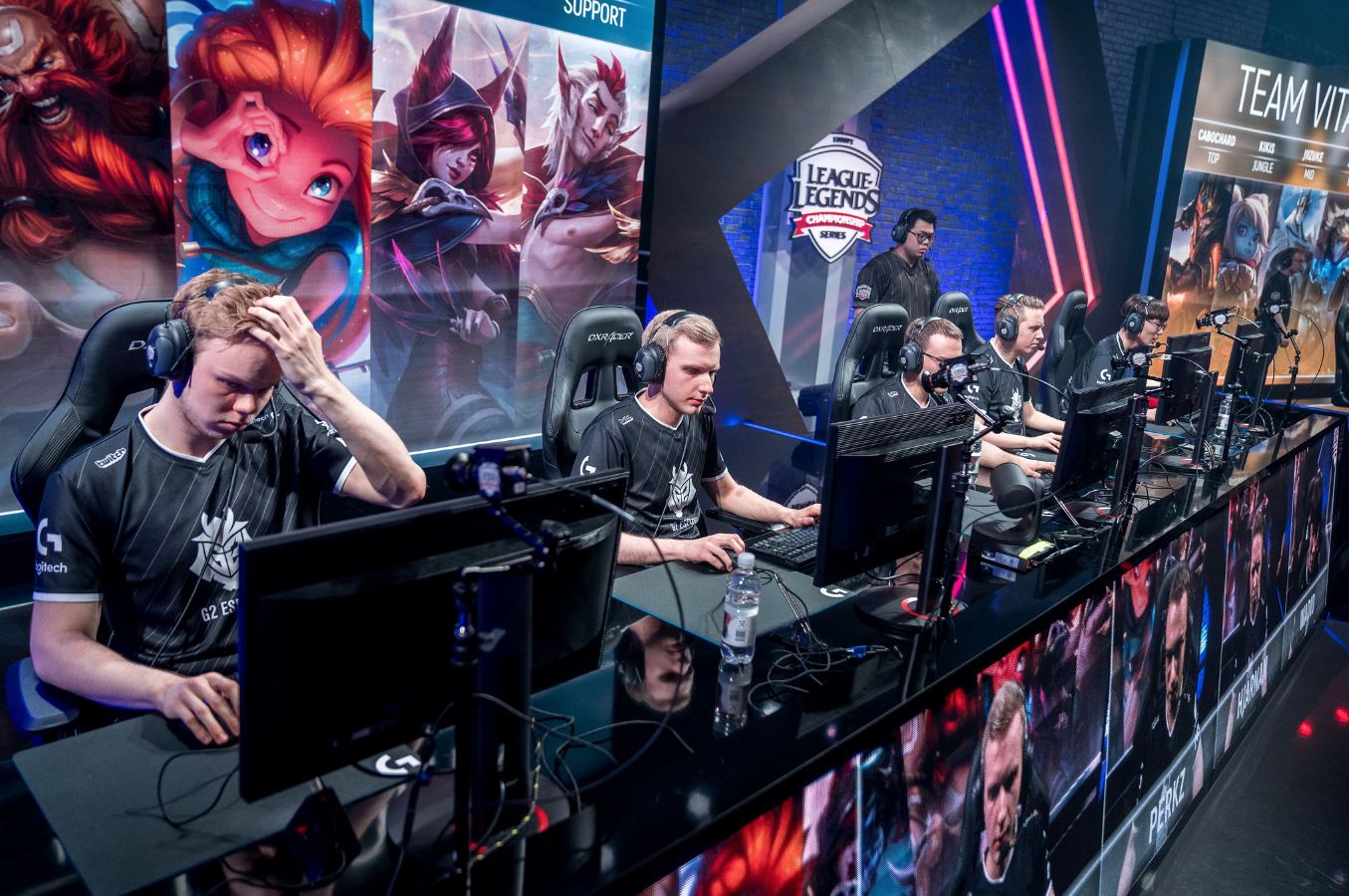
In team-based games like League of Legends, Dota 2, or Valorant, cooperation becomes the cornerstone of victory. Each role within the team carries responsibility, and mistakes echo instantly across the match. The best players develop a near-telepathic connection, learning to predict each other's moves and adjust to changing conditions in real time. Esports teams are not simply collections of individuals, but tightly knit units forged through repetition, failure, and shared ambition. What outsiders may see as a digital battle is, at its core, an orchestration of trust and intuition performed at incredible speed.
The Arena of Spectacle and Strategy
One of the defining traits of esports is its ability to transform digital landscapes into living arenas. When a tournament unfolds, the game itself becomes the stage, and every pixel, map, or sound effect transforms into part of a greater performance. Millions tune in from around the globe, cheering for teams that may represent entire nations or cultures. The stage lights, the commentary, the synchronized plays, all come together to create an experience that rivals the emotional intensity of any physical sport.
The strategies within esports are layered and complex. Success depends not only on reflexes but also on preparation, analysis, and adaptation. Coaches study opponents frame by frame, identifying weaknesses and devising countermeasures. Analysts break down data from thousands of games, tracking patterns invisible to the untrained eye. The competition extends beyond the match itself, beginning in preparation rooms and continuing in minds long after the final score is decided. The esports arena is as much about intellect as it is about instinct, and it rewards those who can think under pressure as much as those who can react.
The Global Stage and Its Digital Community
Esports has united people across languages, borders, and backgrounds like few other movements in history. Fans from Seoul to São Paulo, from Berlin to Manila, gather to celebrate not only their favorite teams but the shared thrill of digital mastery. Unlike traditional sports, where access to arenas or equipment can create barriers, gaming is inherently democratic. Anyone with a computer or console can enter the same virtual worlds where champions play. This inclusivity has created a diverse and deeply passionate fanbase that thrives on shared excitement and belonging.
Online platforms such as Twitch, YouTube, and Discord have turned spectators into participants. Fans analyze plays, debate strategies, and build friendships across continents. The esports community functions as a global conversation, one where every player and fan contributes to a living network of creativity and competition. The digital age has given birth to a generation that sees gaming not as escape, but as connection, where screens no longer divide but unite.
The Business Behind the Battle
While the thrill of competition remains at the heart of esports, the industry surrounding it has grown into a formidable economic powerhouse. Sponsorships, advertising, media rights, and merchandise have elevated esports to a billion-dollar enterprise. Major companies, from tech giants to automobile brands, now invest heavily in tournaments and teams. Cities bid to host events that fill stadiums with fans and generate millions in tourism revenue. The line between gaming and mainstream entertainment continues to blur, and esports stands at the crossroads of technology, culture, and commerce.
Franchised leagues and professional organizations have brought structure and stability to a once-chaotic landscape. Teams now operate like corporations, with management divisions, public relations departments, and wellness programs for players. Esports has matured into a legitimate career path for thousands, offering opportunities in broadcasting, coaching, event management, and beyond. What began as grassroots passion has become an industry that employs creative minds and technical innovators worldwide.
The Changing Perception of the Gamer
In earlier decades, gaming was often dismissed as unproductive or isolating. Today, that perception has been replaced by admiration and curiosity. Esports athletes now stand as role models for dedication and focus, proving that mastery of digital competition requires as much discipline as any physical sport. Schools and universities across the globe have begun offering scholarships and programs dedicated to esports, recognizing the intellectual and social skills it fosters. Parents who once discouraged gaming now attend tournaments, cheering for their children as they would for traditional athletes.
This cultural shift has also redefined what it means to be a gamer. Diversity within esports has expanded dramatically, with women, nonbinary players, and individuals from underrepresented regions rising to prominence. The movement continues to challenge stereotypes and celebrate inclusivity. Gaming has become a universal language, spoken in different accents but understood everywhere through the rhythm of competition and creativity.
The Future of Esports and Human Potential
As technology evolves, so too does the world of esports. Virtual reality, artificial intelligence, and cloud gaming promise to reshape how players compete and how audiences engage. The boundaries between physical and digital will continue to fade, opening new dimensions for skill, storytelling, and community. Yet beyond the screens, beyond the arenas, the heart of esports remains unchanged, it is about people. It is about striving for excellence, building trust, and finding connection through challenge.
Esports stands as proof that human potential knows no boundaries. Whether a player sits before a monitor or a crowd of thousands, the essence is the same, the pursuit of mastery through passion. What once began as play has become purpose, and in every match, every victory, and every loss, the spirit of competition continues to push humanity forward into new frontiers of imagination and resilience.