

The Journey That Transformed Gaming into a Global Spectacle
Tracing the Rise of Competitive Gaming and Its Impact on Modern Culture, Technology, and Community
The First Sparks of Digital Rivalry
Long before million-dollar tournaments and international broadcasts, the world of competitive gaming began with something far simpler, a desire to prove skill. In the early 1970s and 1980s, video games were new, mysterious, and full of possibility. The first recorded gaming competition took place in 1972 at Stanford University, where students gathered to play a game called Spacewar. The prize, a one-year subscription to Rolling Stone magazine, was modest, yet it marked the beginning of something revolutionary. By the time arcade machines filled malls and diners across America, competition had become an essential part of gaming culture. Players wrote their initials on high-score boards not just for pride, but to leave a digital mark of achievement.
The 1980s were the age of arcade legends. Games like Donkey Kong, Pac-Man, and Space Invaders drew crowds that cheered for mastery. Local champions became neighborhood celebrities, and gaming began to foster a sense of community and rivalry unlike anything before. The first large-scale event, the Space Invaders Championship in 1980, attracted over ten thousand participants, proving that gaming could gather people together in the same way sports always had. What began as isolated machines in dark corners was now becoming an organized phenomenon of skill, timing, and identity.
The Birth of Online Competition
When the internet arrived, gaming entered a new era. The 1990s brought not only home consoles but also connectivity that linked players from around the world. Suddenly, competition was no longer limited by geography. Players could test their abilities against strangers thousands of miles away, forming the foundation of global esports. Titles like StarCraft, Counter-Strike, and Quake became the arenas where early legends were made. Cyber cafés emerged as social hubs where players trained, competed, and formed teams. LAN parties, where computers were linked locally, became the birthplace of both friendships and rivalries that shaped the modern scene.
During this period, gaming began to demand not only skill but infrastructure. Servers, modems, and network stability determined victory as much as reflexes did. Developers started designing games with competition in mind, balancing maps, refining mechanics, and adding spectator modes. What once relied purely on reflex now required strategy, coordination, and foresight. The foundation of esports as an organized, rule-based discipline was laid, and its growth was unstoppable. For the first time, gaming was not only entertainment but a structured test of intelligence and teamwork.
The Rise of Professional Esports
By the early 2000s, competitive gaming began its transformation from hobby to profession. The introduction of major tournaments, such as the World Cyber Games and the Electronic Sports World Cup, elevated esports to international recognition. Korea became the epicenter of this rise, fueled by the popularity of StarCraft. Television networks broadcasted matches, and professional players became national icons. The structure of professional teams mirrored that of traditional sports, with sponsors, coaches, and analysts guiding players toward excellence.
Western markets soon followed. Games like Halo, Call of Duty, and Counter-Strike 1.6 established loyal fanbases, while the evolution of streaming technology gave fans front-row access to every match. Prizes grew, production values soared, and esports began to enter the mainstream consciousness. The image of the gamer shifted from casual player to dedicated competitor, from individual hobbyist to team athlete. Each match became not only about the game itself but about strategy, discipline, and the emotional narrative of competition.
Technology and the Modern Arena
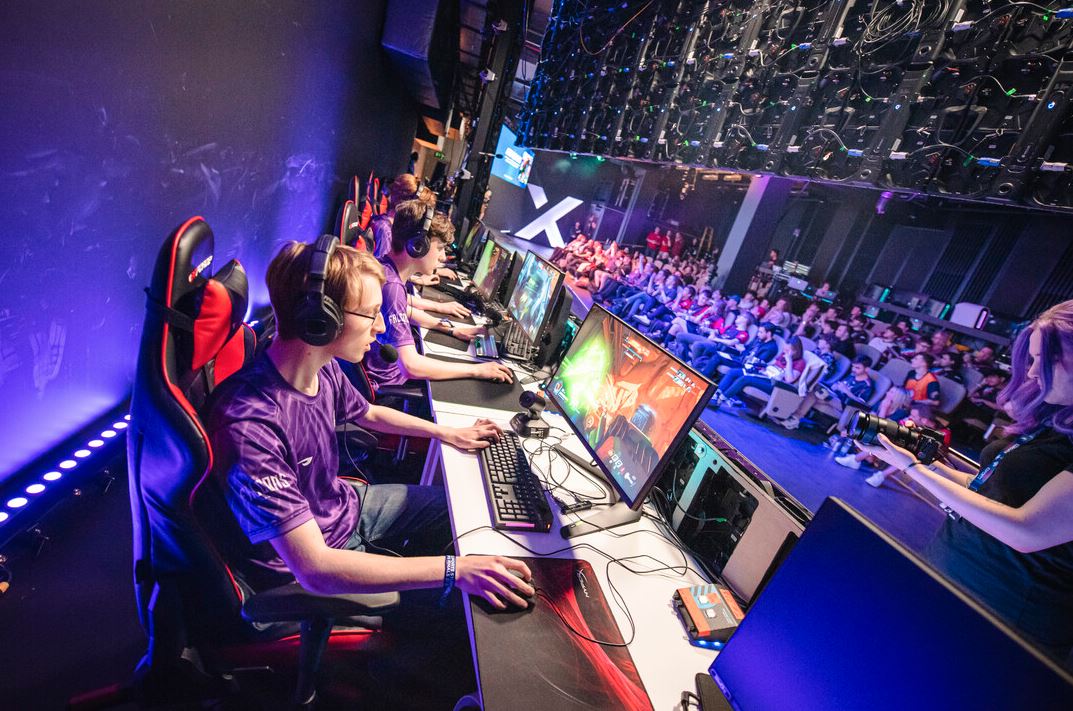
Modern esports owe their scale and spectacle to advances in technology. High-speed internet, powerful graphics, and global streaming platforms have created a new kind of stage, one that exists in pixels and data but feels as real as any physical arena. Games today are not just played, they are performed. Every tournament involves production teams, sound engineers, and directors who craft an experience for both live and digital audiences. LED displays, synchronized lights, and booming soundtracks transform digital duels into cinematic performances. The atmosphere mirrors major sporting events, complete with chants, commentators, and celebration ceremonies.
Streaming services like Twitch and YouTube Gaming have become the lifeblood of the industry. Millions of viewers tune in daily to watch professionals train, compete, or simply share insights into their strategies. The audience engagement is unmatched, with fans interacting directly with their favorite players through chat, donations, and social media. This level of accessibility has reshaped the relationship between athlete and audience, turning esports into one of the most interactive entertainment forms in history. Technology has not only connected the world, it has democratized competition, allowing anyone with skill and determination to rise.
The Cultural Shift and Mainstream Acceptance
The perception of gaming has undergone a dramatic transformation over the past two decades. What was once dismissed as a pastime is now celebrated as a legitimate career and art form. Universities offer esports scholarships, sports networks broadcast tournaments, and sponsors treat players with the same prestige as traditional athletes. Esports has entered the cultural mainstream, appearing in documentaries, films, and even the Olympic conversation. The world no longer asks whether gaming is real competition, but rather how far it will go next.
This acceptance has also broadened diversity within the community. Players from different nations, genders, and backgrounds compete on the same digital field. The accessibility of online platforms has made esports one of the most inclusive global industries. A teenager in Brazil can face off against a professional from Sweden, while fans in Japan cheer for a team based in the United States. Gaming has erased borders, uniting people under a shared passion for skill, creativity, and teamwork. It has proven that human excellence is not limited by physical distance but amplified by shared connection.
The Business of Esports
The modern esports industry is a complex and thriving economy. Revenues now reach billions, driven by sponsorships, merchandise, ticket sales, and advertising. Major corporations have entered the arena, recognizing the immense value of an audience that is young, global, and highly engaged. Teams operate as businesses, managing contracts, partnerships, and marketing strategies. Events generate tourism, online viewership, and brand exposure on a massive scale. Cities compete to host championships that fill arenas and generate local pride. The business of esports has become as influential as the competition itself, proving that gaming is not only entertainment but a driver of innovation and economy.
Yet behind all the numbers lies passion. The players who dedicate years of their lives to mastering a single game do so not only for fame or money but for love of the challenge. They are the architects of an industry built on skill and emotion. Fans, creators, and communities form the pillars that sustain it. Esports thrives because it speaks to something universal, the desire to achieve mastery and share it with the world. Every match tells a story, every season builds a legacy, and every player contributes to a living narrative of ambition and possibility.
The Next Chapter of Competition
The story of esports is far from over. As virtual reality, artificial intelligence, and cross-platform universes emerge, the future of competition will continue to evolve. The boundaries between digital and physical will blur further, and new generations will find their own forms of play and rivalry. What will remain constant is the spirit of competition that began with a few players gathered around a single screen. It is the same spark that drives modern tournaments filled with millions of viewers. The evolution of esports is not just about technology, it is about people, their creativity, and their endless pursuit of excellence.
From pixels to stadiums, from hobby to profession, gaming has become more than entertainment. It has become a shared language of challenge, strategy, and imagination. The world continues to change, but the heartbeat of competition endures, connecting generations through one simple truth, we play not just to win, but to grow, to connect, and to inspire.